English
 Arabic
 Chinese (Simplified)
 French
 German
 Spanish
 Vietnamese

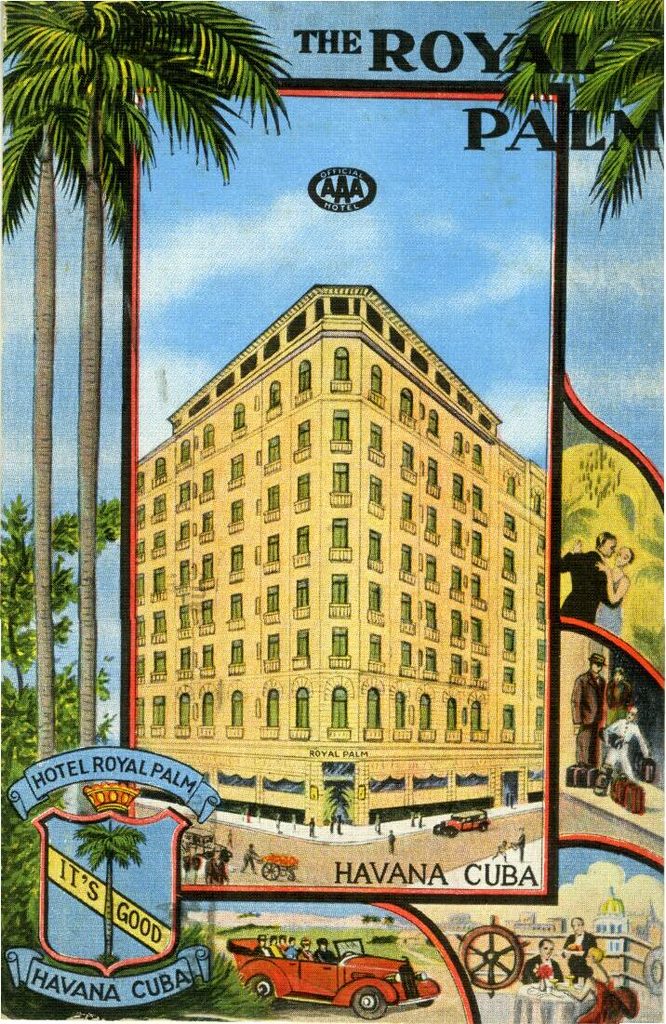
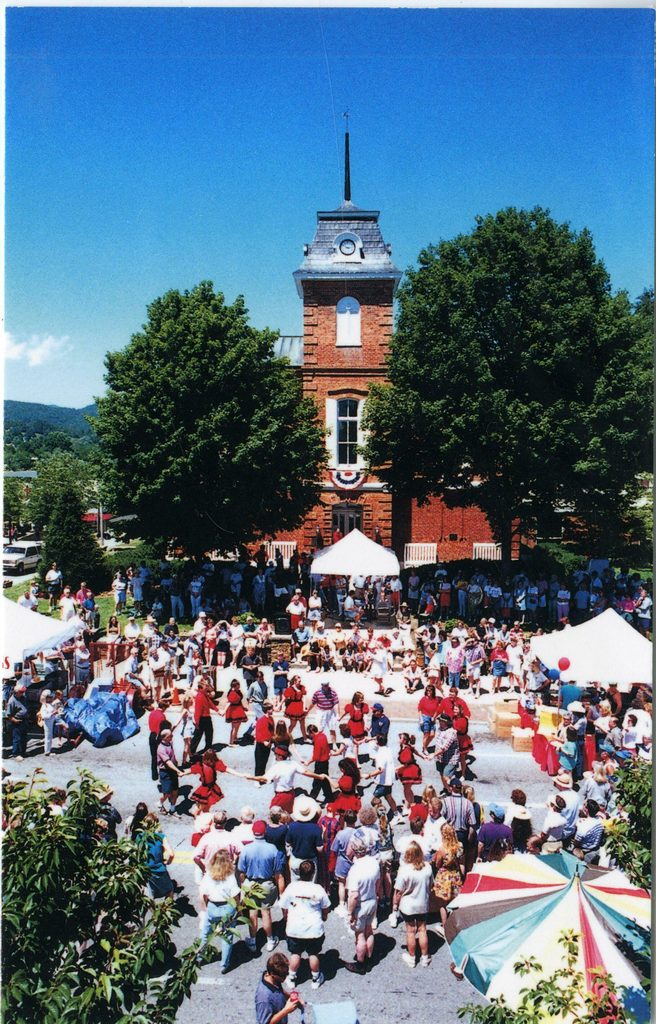
The Local History Department at the Transylvania County Library presents a new local history display highlighting postcards through the years. Donations from many contributors including Norma Surette, Nancy O’Dell Henderson, Volney Tinsley, and Sarah Kellar have helped to grow the collection to over 850 picture postcards beginning as early as 1901 and extending into the modern era. Local History volunteer Sparrow Ivy should be recognized for her extensive work on digitizing and indexing the collection, which is available for viewing in four postcard albums held in the Local History Room. The Postcard Evolution display will be available starting now through Spring 2027.
Tourists and Trinkets
Mementos from travel have long been collected by humans. The first souvenirs were natural mementos such as pressed plants, rocks, or seashells. Pilgrimages to Christian holy sites as early as the 4th century A.D. are the first recorded instance of tokens being mass-produced in order for travelers to bring home a keepsake proving or staying connected to their experiences of travel. This occurred in response to tourists cannibalizing ruins and monuments by taking pieces of it with them. For preservation – and perhaps also a bit of profit—items such as vials of holy water or soil were created to allow memory-keeping without damage.
“The Grand Tour”
Travel was considered a luxury of the upper class for many centuries. It might have been a prestigious part of a young American aristocrat’s education to embark on a “Grand Tour’ of Europe in a “gap year” like experience where they would spend a year traveling Europe in order to seek connections, culture, language skills, and other worldly experiences. During this year they might have collected statuary, oil paintings, books, and architectural prints as markers of their elevated experience. “Relics” might have also been collected as status symbols.
Travel for the Masses
With expanded rail travel and the advent of the mass-produced automobile, travel became more affordable for the middle class. Travel and tourism were on the rise in the 1890s, and middle-class people, like their wealthy counterparts, wanted to share and display the prestige of their travel experiences. Industrialization facilitated cheap, mass production of just about anything one could think of, and thus commercial souvenirs showed up on the scene with novelties such as souvenir spoons, thimbles, shot glasses, ceramics, needlework, hankies, and picture postcards. The Chicago World’s Fair of 1893 is sometimes cited as the first major event in the U.S. that mass-produced souvenirs and started a trend that hasn’t stopped.
Collector Criteria
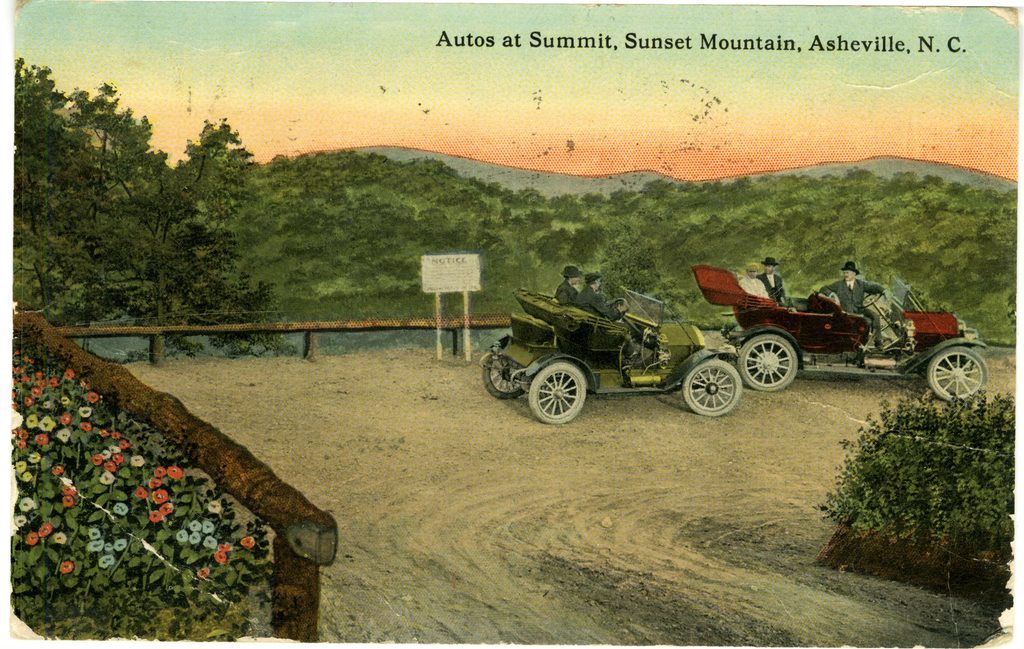
Deltiology, the hobby of studying and collecting postcards, is now a common pastime, rivalling stamp or coin collecting. While studying a postcard a deltiologist might note the image, subject, publisher, photographer, geographic location, recipient’s location, postmark, and the message itself, especially if the identity of and relationship between the sender and recipient are both known.
Deltiologists might build their collection based on the historical value of a postcard noting the era’s architecture, fashion, local history, and social and cultural habits. They might narrow their focus to a particular theme, such as the publication company, a geographic location, a specific photographer, or a favorite subject like hotels or cats. Collectors may also just accumulate their treasures based on personal taste, prioritizing visual aesthetic.
Why Do Postcards Matter in History?
No matter the reason that deltiologists collect now, the popularity of postcards in the past can be attributed to several factors. Their affordability is key – cheap production and penny postage made them an efficient way to send quick messages, acting similarly to the previous function of a telegraph. Some postcards were funny or based on pop culture moments, making them equivalent to sending someone a “meme” today and showcasing cultural norms.
Some postcards memorialized important historic events, must-see landmarks, and captured the zeitgeist of art and architecture for an era. For example, one local postcard in the collection shows the now-demolished Franklin Hotel during the short span of years when it was the home of the Brevard-Davidson River Presbyterian Church. Context for that image gives the postcard value beyond its visual appearance. There is much to be learned from studying postcards in the frame of their historical moments.
Postcards developed over time to the format that we are familiar with today. Deltiologists have determined eras for each iteration of postcards as follows:
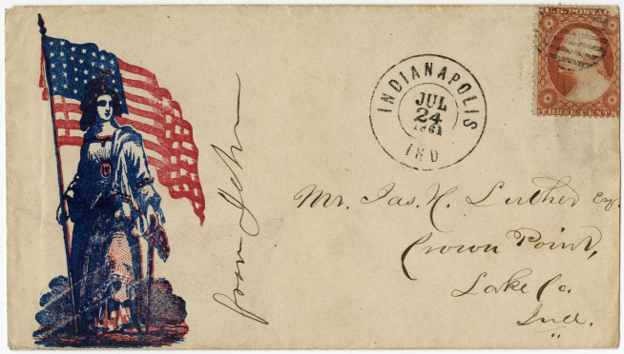
Pre-Postcard Era (1848-1870)
Printed envelope decorations were the precursors to postcards. Once postcards were developed, only government produced postcards were permitted until February 1861 when an act of Congress allowed privately produced cards weighing under 1 ounce to be mailed.
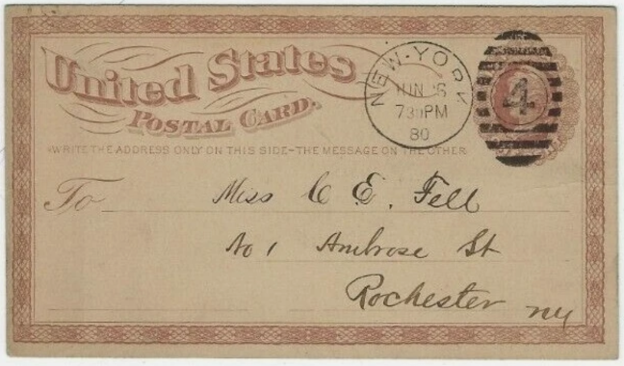
Pioneer Era (1870-1898)
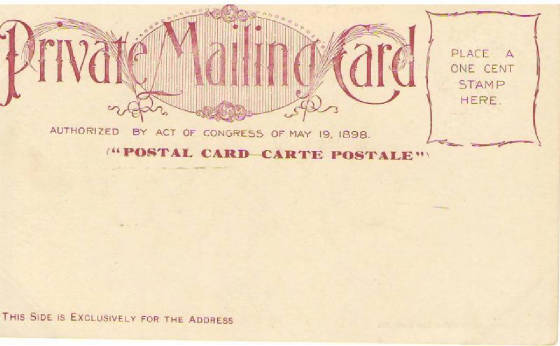
Government produced cards cost 1 cent to mail and were labeled “POSTAL CARD.” Privately printed cards cost 2 cents to mail and were labeled “PRIVATE MAILING CARD.” The cards during this era were more functional than decorative and mostly blank with perhaps some border art.
Private Mailing Card Era (1898-1901)
The mailing rate for Private Mailing Cards was lowered and now matched the 1 cent rate of government produced Postal Cards, and the size was standardized. This paved the way for the rise of picture postcards.
Undivided Back Postcard Era (1901-1907)
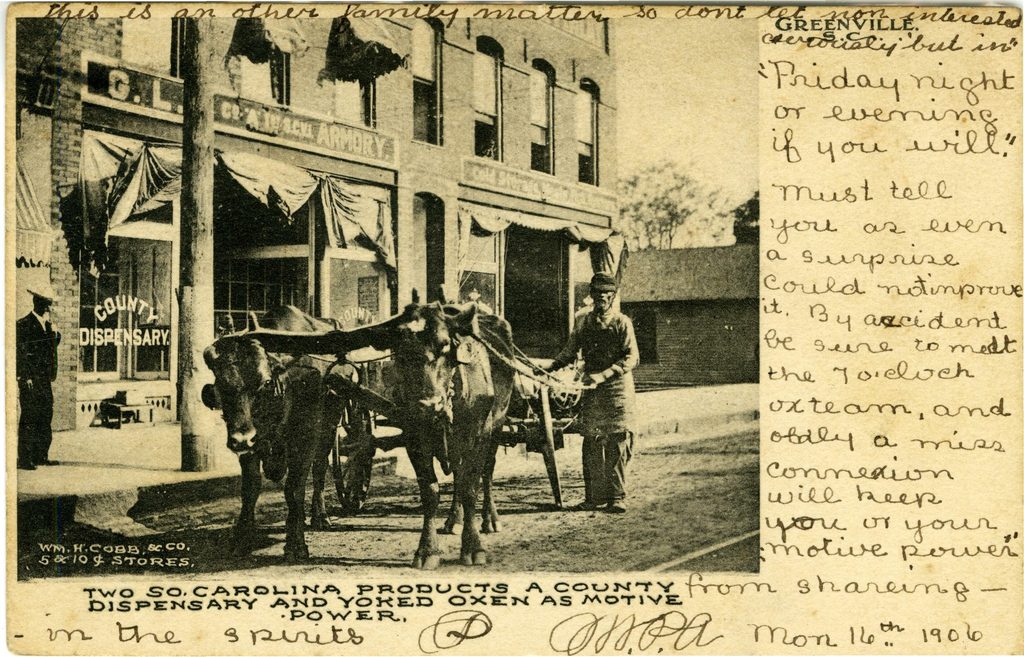
During the Undivided Back Era of postcards, images began to appear on the front of cards. Postal requirements were that one side had to have nothing written on it but the recipient’s address. This meant that some publishers would print the front with a large white border or a blank space for a message. The local addresses for this time are a bit amusing – all one had to do was write down the recipient’s name and the town for the post card to find its destination.
Divided Back Era “The Golden Age of Postcards” (1907-1915)
Congress passed an act to allow the back of postcards to be divided, with one half reserved for the recipient’s address and one half available for a message. The front now became completely decorative and the market for picture postcards grew. Printing technology continued to develop, producing colorful, vibrant images that many felt were worth collecting. Their popularity exploded at this time, leading deltiologists to dub this the “Golden Age of Postcards.”
White Border Era (1915-1930)
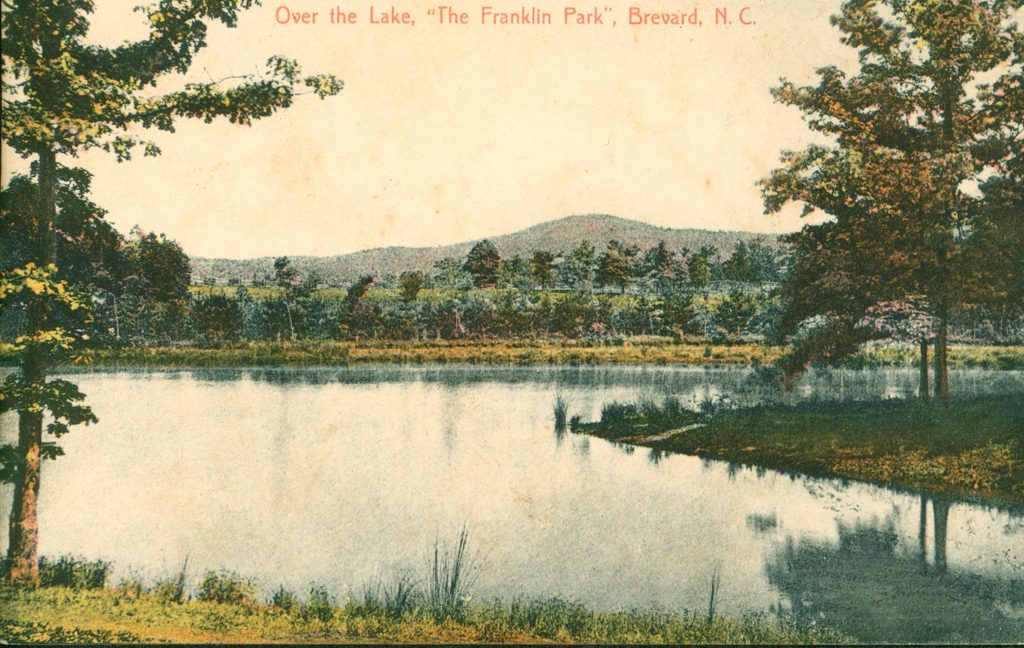
As the U.S. became involved in World War I, postcards were produced domestically. Prior to this time, Germany dominated the market. As domestic publishers began to create postcards, the white border was popularized because it was faster and cheaper than full-edge printing, utilizing less ink and lessening the need for precision cutting.
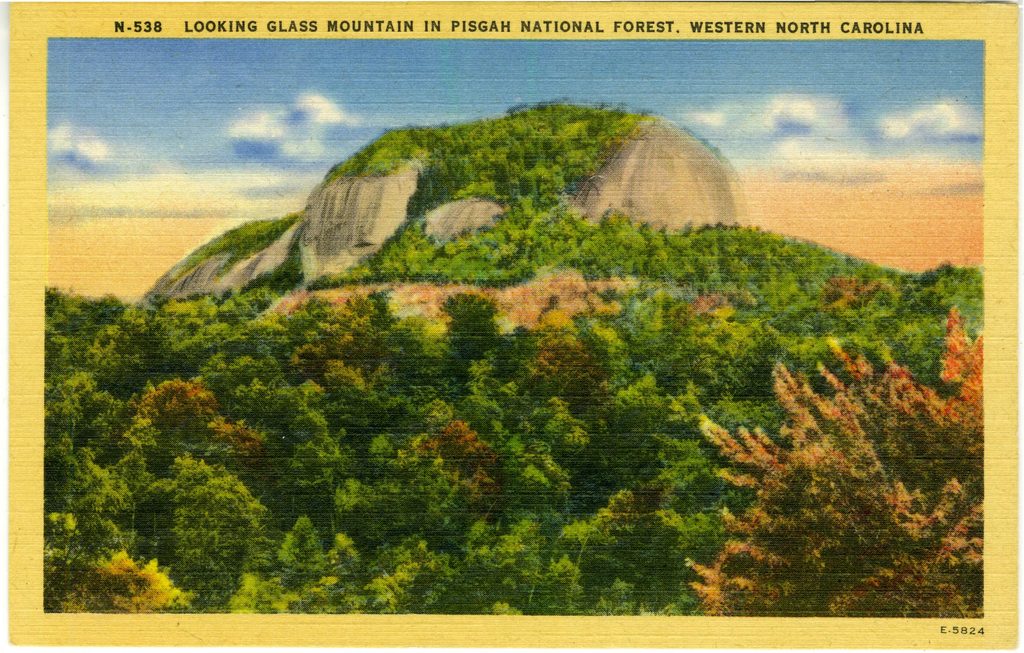
Linen Era (1930-1945)
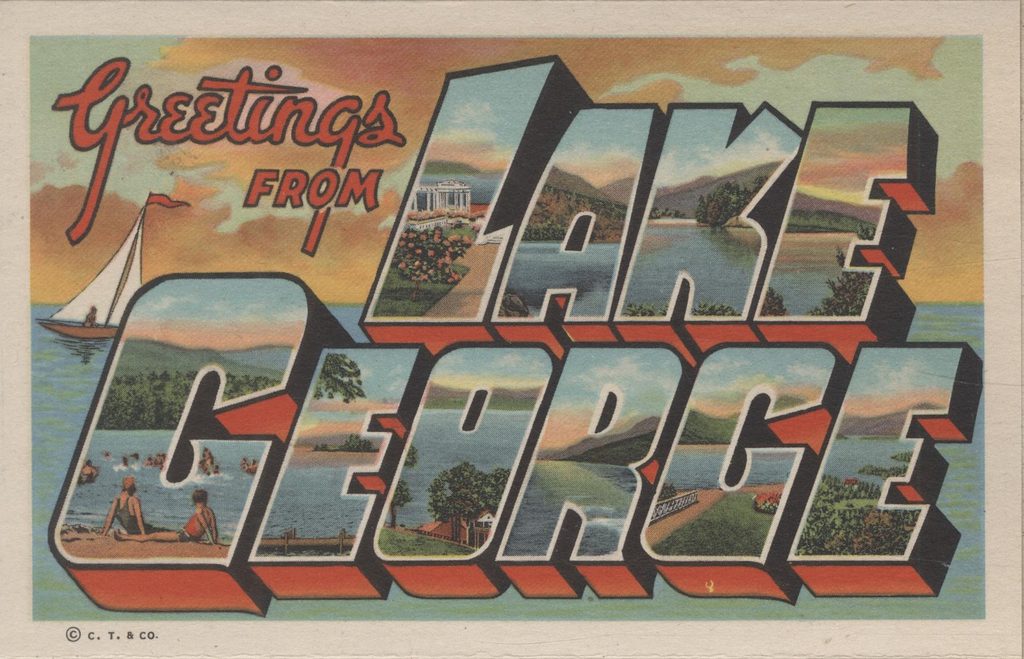
New processes allowed publishers to add a higher “rag,” or cloth fiber, content to the paper that postcards were printed on. This rougher, more absorbent texture was able to hold more saturated ink, producing vibrant, enduring images. Many of these postcards can be recognized by their textured, crosshatched appearance and ivory tone compared to the White Border Era. The linen paper process was first introduced by German immigrant Curt Teich & his publishing company in 1931, but copycat publishers soon adopted the technique as well until it became commonplace.
Photochrom Era (1945-present)
Printing technology continued to develop, and the next evolutionary step was Photochrom postcards, or prints made from color photography. They were printed in full color on high-glossy stock, contributing to the photo-like effect. The number of ink colors was limited, so shades were created from blending, which gives the postcards from this era a distinctive primary-color palette.
Specialty and Novelty Postcards
Novelty postcards came in variety of styles. Some unusual items from the collection on display include a leather postcard and one embossed with grooves that is playable on a record player. Advertisers took advantage of low mailing costs and began to send ads in the mail. Fill-in-the-blank postcards were another novelty that allowed the sender to quickly fill in specific details and then mail the postcard to its recipient. There is even one postcard from Hawaii in 1943 that has been stamped to show it passed censorship standards during the military operations of the U.S. in Hawaii during World War II.
“Real Photo” Postcards by Kodak
Another marketing innovation was the Kodak film company’s creation of “Real Photo” postcards in 1903. The postcards were created by using a Model No. 3A Folding Pocket Kodak, which was a portable folding camera that used 122 roll film and produced 3.5” x 5.5” negatives – the exact size of a standard postcard. The negative could be taken to a photography studio and contact-printed directly onto pre-printed postcard-backed photographic paper. With this advancement, any photo you took could become a postcard.
Souvenir Folders
As early as 1898, souvenir folders were patented and published in the United States by the Wirths brothers. These booklets had a cardboard cover with art on the outside and information about the location on the inside, as well as a long strip of accordion-folded paper printed on both back and front with a variety of images relating to the same location. A message could be written on the outside or on the inside of the cardboard cover. The cover protected the images, offered numerous views, and cost less to mail than if each postcard were mailed separately. Some of the images would have been sold separately as individual postcards, but some images were only available in the souvenir folder format, making them highly desirable by collectors.
“Greetings From…” Postcards
German immigrant Curt Teich is credited with developing this popular postcard style, which originated in Germany. The “Greetings from…” tagline had been much more subdued in German postcards, and Teich took the original concept further to create the large bubble lettering filled with images from the tourist destination. The vibrant, graphic imagery is fully American and reflected popular aesthetics of the modern age. The look has become iconic and has had a recent resurgence in popular culture.
Pictures of the Past
The popularity of postcards waned with the rise of the digital age. E-cards, social media, and memes seem to have replaced this type of immediate, casual communication connected to travel and memory. Most postcard collectors today are just that – collectors of images rather than correspondents sharing their experiences with loved ones back home. The fact that postcards are no longer a major part of popular culture is perhaps what makes them so interesting to collectors today; postcards are tiny windows into a by-gone world without computer technology, hearkening back to a simpler time. Modern-day library visitors can explore the world of the past by stopping by the 2nd floor of the Library to view the display on “Postcard Evolution” from now through Spring 2027.
Photos and information for this column are provided by the Rowell Bosse North Carolina Room, Transylvania County Library. This article was written by Laura Sperry, Local History Librarian. Sources available upon request.